Follow us
Learn more about our mission, explore our research, and join us in creating better outcomes for patients everywhere.

Work packages
Researchers and clinicians from various organizations across the Europe form 10 work packages, each with a designated role in the PREMIO COLLAB project.


Work Packages
Clinical Professor
Department of Nuclear Medicine, OUH
The Region of Southern Denmark


Work package 1
WP1 serves as the central hub of coordination and oversight for the entire PREMIO COLLAB consortium. Led by RSD, this work package ensures that all partners work together seamlessly as a unified and efficient system.
OUH Innovation, Research and HTA
Dept. of Clinical Development
The Region of Southern Denmark
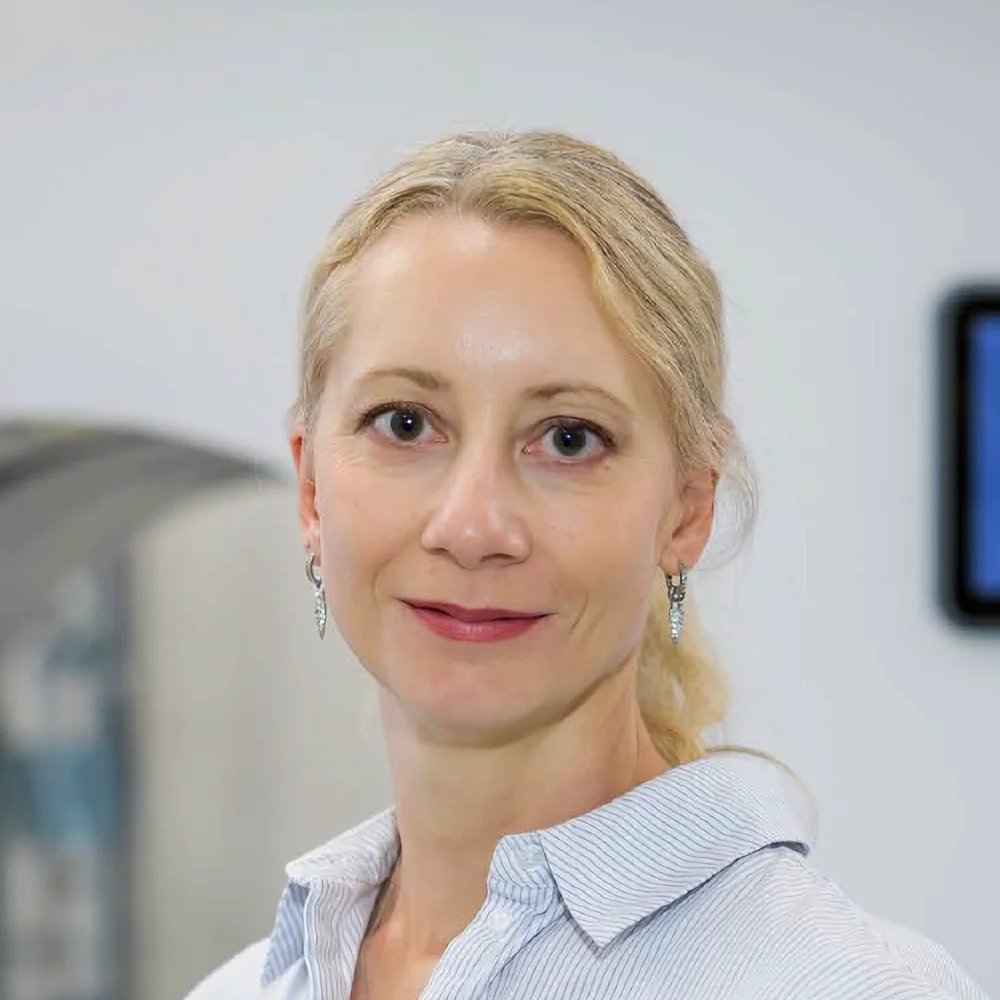

Work package 2
WP2 develops a semi-automatic tool to simplify the evaluation of PET-CT images in the PREMIO-PILOT and PREMIO-RCT studies. These studies use PET-CT for treatment response assessment based on the PREMIO criteria, which build on the established PERCIST 1.0 framework.
Professor
Clinical Physiology and Nuclear Medicine
Department of Translational Medicine, Lund University
Skåne University Hospital, Malmö

Work package 3
WP3 is at the heart of PREMIO COLLAB, leading the international MONITOR Randomised Clinical Trial (MONITOR-RCT). This trial is the first of its kind to provide Level I evidence comparing FDG-PET/CT with conventional CT for monitoring treatment response in patients with metastatic breast cancer. By conducting this large-scale study, WP3 addresses a critical gap in evidence-based cancer care.
Clinical Professor
Department of Nuclear Medicine, OUH
The Region of Southern Denmark
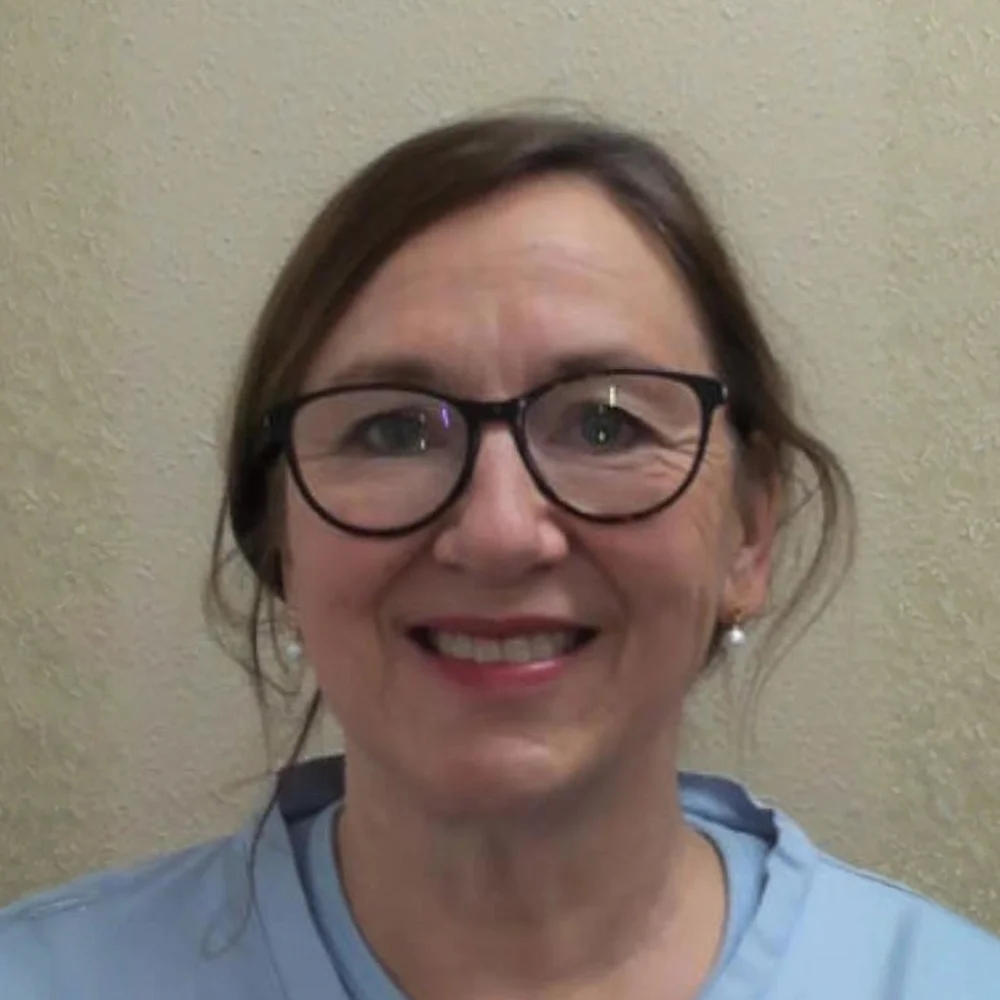

Work package 4
WP4 explores how metastatic breast cancer affects patients and their families, focusing on the everyday challenges they face and the support systems currently available. This work package goes beyond clinical outcomes by examining the psychosocial impact of monitoring processes—such as scans, waiting times, and medical consultations—on daily life.
Professor
Department of Oncology, OUH
The Region of Southern Denmark
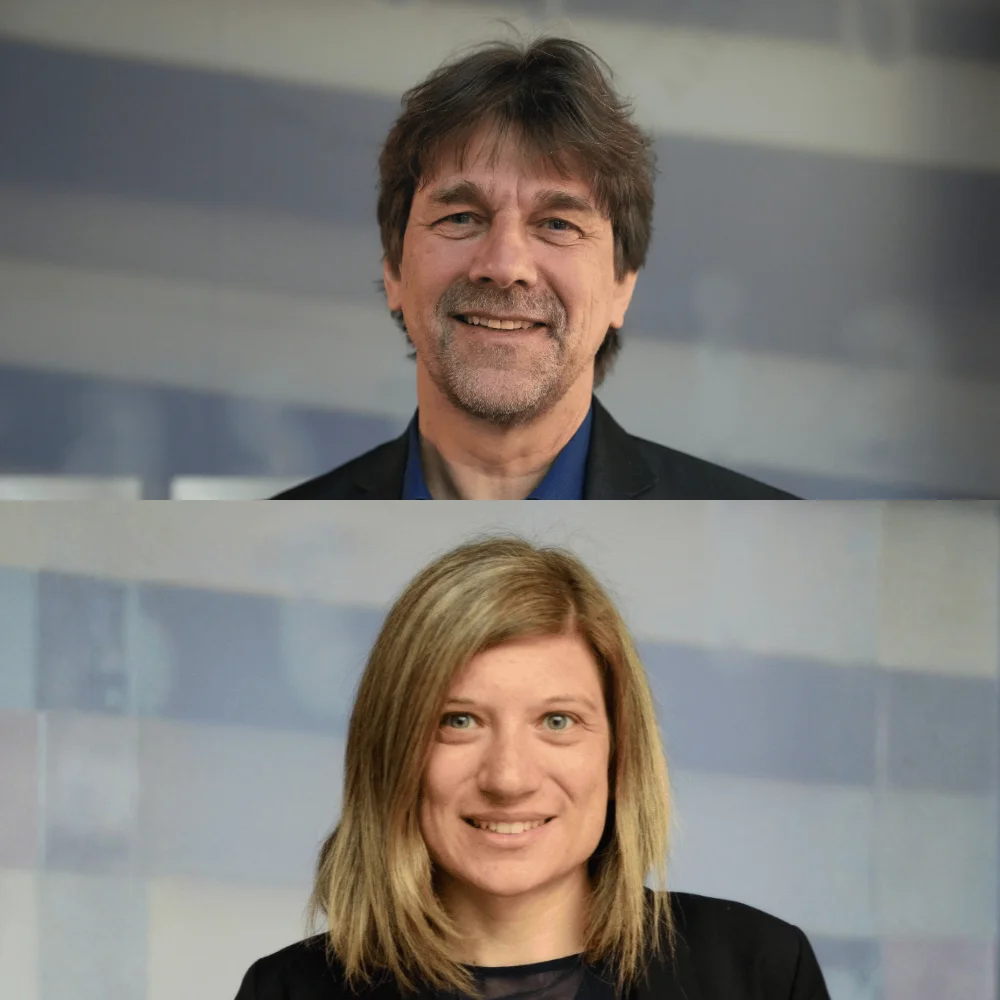

Work package 5
WP5 investigates whether FDG-PET/CT-based monitoring approaches are not only clinically effective but also cost-effective and equitable.
Professor
Institute of Public Health, Medical Decision Making and Health Technology Assessment
Department of Public Health, Health Services Research and Health Technology Assessment
UMIT TIROL
Senior Scientist
Institute of Public Health, Medical Decision Making and Health Technology Assessment
Department of Public Health, Health Services Research and Health Technology Assessment
UMIT TIROL
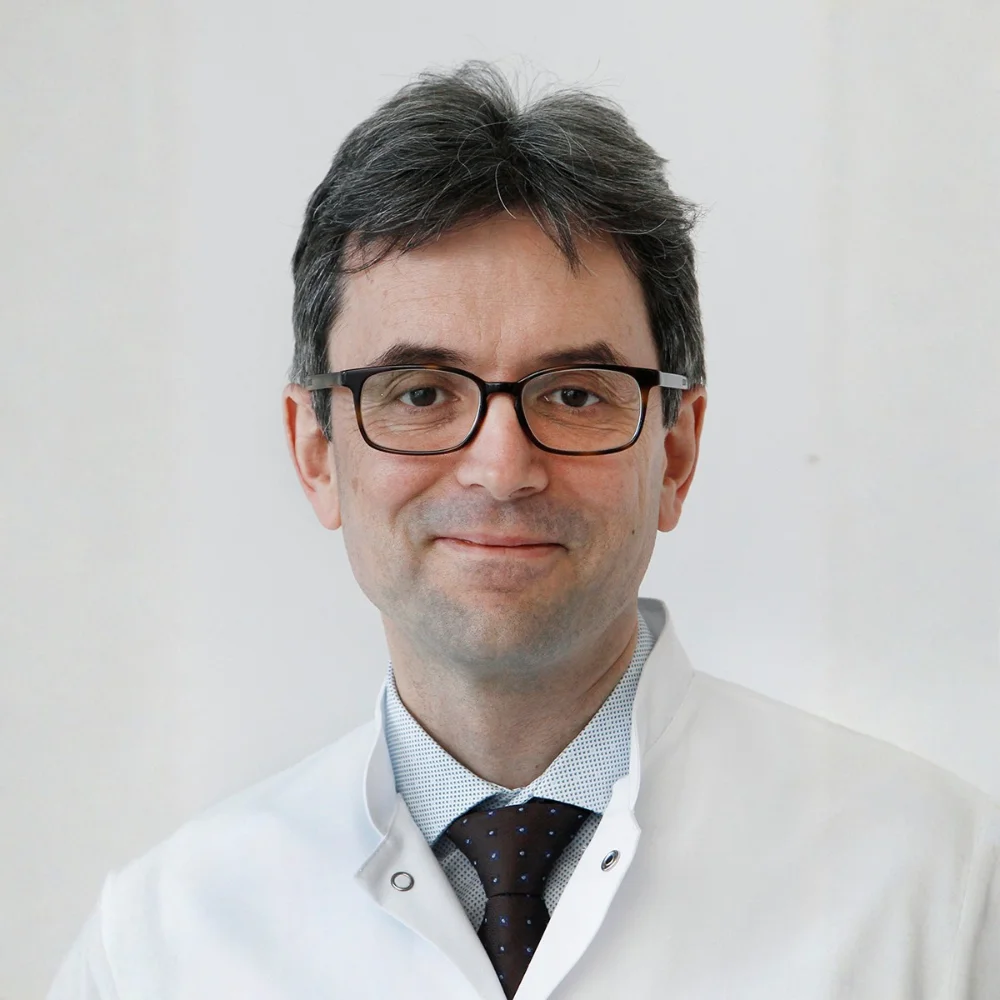

Work package 6
WP6 focuses on creating a new set of response monitoring criteria for metastatic breast cancer, known as the PREMIO criteria (PET/CT Response Monitoring in Oncology). These criteria guide clinicians in determining whether a patient’s current therapy is effective or if disease progression requires switching to a new treatment. The goal is to identify progression at the optimal time point—not too early and not too late—minimizing unnecessary side effects and ensuring timely access to more effective therapies.
Professor
Department of Nuclear Medicine, Munich
Technical University of Munich (TUM-MED)

Work package 7
WP7 is dedicated to developing cutting-edge AI tools that transform how PET/CT scans are analysed for patients with metastatic breast cancer. Led by the University of Geneva, this work package aims to significantly improve the accuracy, speed, and consistency of image interpretation, enabling clinicians to detect disease progression earlier than current practice allows. Early detection is critical for timely treatment adjustments and better patient outcomes.
Professor
Department of Radiology and Medical Informatics
Université de Geneve (UNIGE)

Work package 8
WP8 is dedicated to developing and validating methods for detecting circulating tumour DNA (ctDNA) in patients with metastatic breast cancer, using samples from the MONITOR-RCT study. ctDNA consists of tumour-derived fragments in the bloodstream and offers a powerful way to gain real-time insights into disease burden and treatment response. However, detecting ctDNA is technically challenging due to its low abundance, making continuous method optimization essential.
Professor
Department of Genetics, OUH
The Region of Southern Denmark


Work package 9
WP9 addresses the ethical dimensions of diagnostic imaging in advanced breast cancer, particularly in the context of treatment response monitoring. Led by a philosopher of medicine at the University of Bologna, in collaboration with a bioethicist, this work package explores complex questions surrounding patient autonomy, uncertainty, and fairness in clinical research and care.
Associate Professor
Department for Life Quality Studies
University of Bologna (UNIBO)


Work package 10
WP10 is the voice of PREMIO COLLAB, ensuring that scientific results are transformed into impactful messages for researchers, policymakers, and society at large. This work package focuses on making findings not only scientifically rigorous but also accessible and actionable for diverse audiences.
Professor
Department of Computer and Information Sciences
University of Strathclyde
Professor of Digital Health and Care
Department of Computer and Information Sciences
University of Strathclyde
Learn more about our mission, explore our research, and join us in creating better outcomes for patients everywhere.